Does Radio Broadcasting Equipment Really Matter in 2026
![[HERO] Does Radio Broadcasting Equipment Really Matter in 2026?](https://cdn.marblism.com/SnHdP0b-a2p.webp)
The short answer? Yes. But probably not in the way you think.
Radio broadcasting equipment still matters enormously in 2026. The global radio station equipment market sits at approximately USD 6.6 billion this year and is forecast to reach USD 9.8 billion by 2032. Clearly, broadcasters worldwide are still investing heavily in their infrastructure.
But here's the shift you need to understand: the definition of "essential equipment" has changed dramatically. The hardware-heavy radio studio of the past decade is giving way to something leaner, smarter, and far more flexible.
The Old Model: Racks, Wires, and Worry
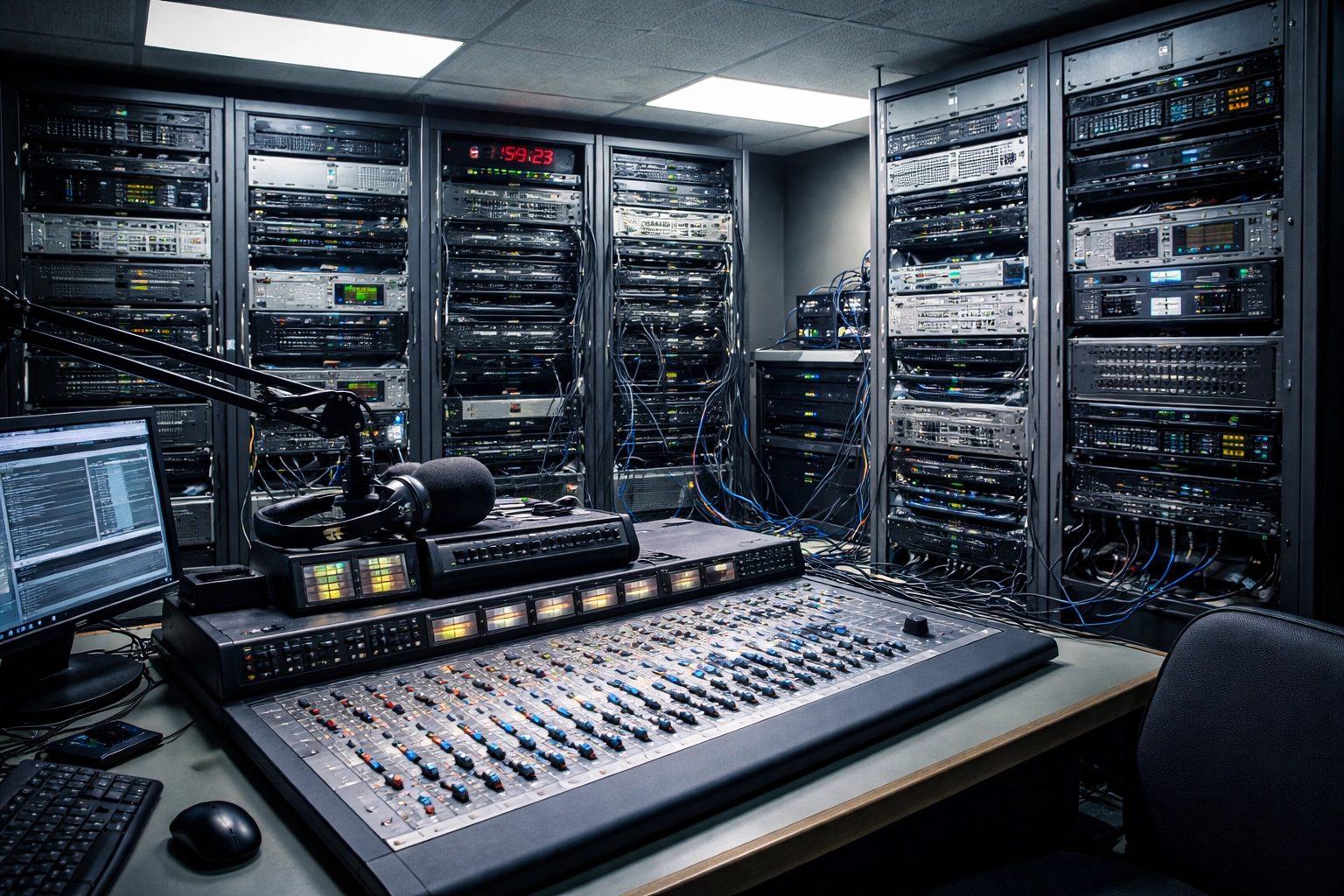
Cast your mind back ten years. A typical radio studio required a substantial investment in physical infrastructure:
- Dedicated playout servers (often with expensive redundancy)
- On-premise automation systems
- Complex audio routing and mixing consoles
- Extensive cabling and engineering support
- Climate-controlled server rooms
This model worked. Thousands of stations built successful operations around it. But it came with significant overheads: not just in initial capital expenditure, but in ongoing maintenance, software updates, and the constant need for on-site technical expertise.
When something went wrong at 3am, someone had to drive to the studio.
What Still Matters: The Fundamentals Haven't Disappeared
Before we get too carried away with the cloud revolution, let's be clear: some elements of radio broadcasting equipment remain absolutely critical.
Microphones matter. Your presenters' voices are your product. A quality broadcast microphone: properly positioned in an acoustically treated space: is non-negotiable. No amount of software processing can fully compensate for a poor source signal.
Acoustic treatment matters. Your radio studio environment directly impacts audio quality. Reflections, ambient noise, and room resonance all colour your output. This is physics, not something firmware can fix.
Monitoring matters. Your presenters need to hear themselves accurately. Quality headphones and studio monitors remain essential tools.
Connectivity matters. Robust, redundant internet connections are now as critical as mains power once was. Your cloud-based radio automation software is only as reliable as your network infrastructure.
The fundamentals of capturing and monitoring audio haven't changed. What has changed is everything that happens between the microphone and the transmitter.
The Brain Has Moved to the Cloud
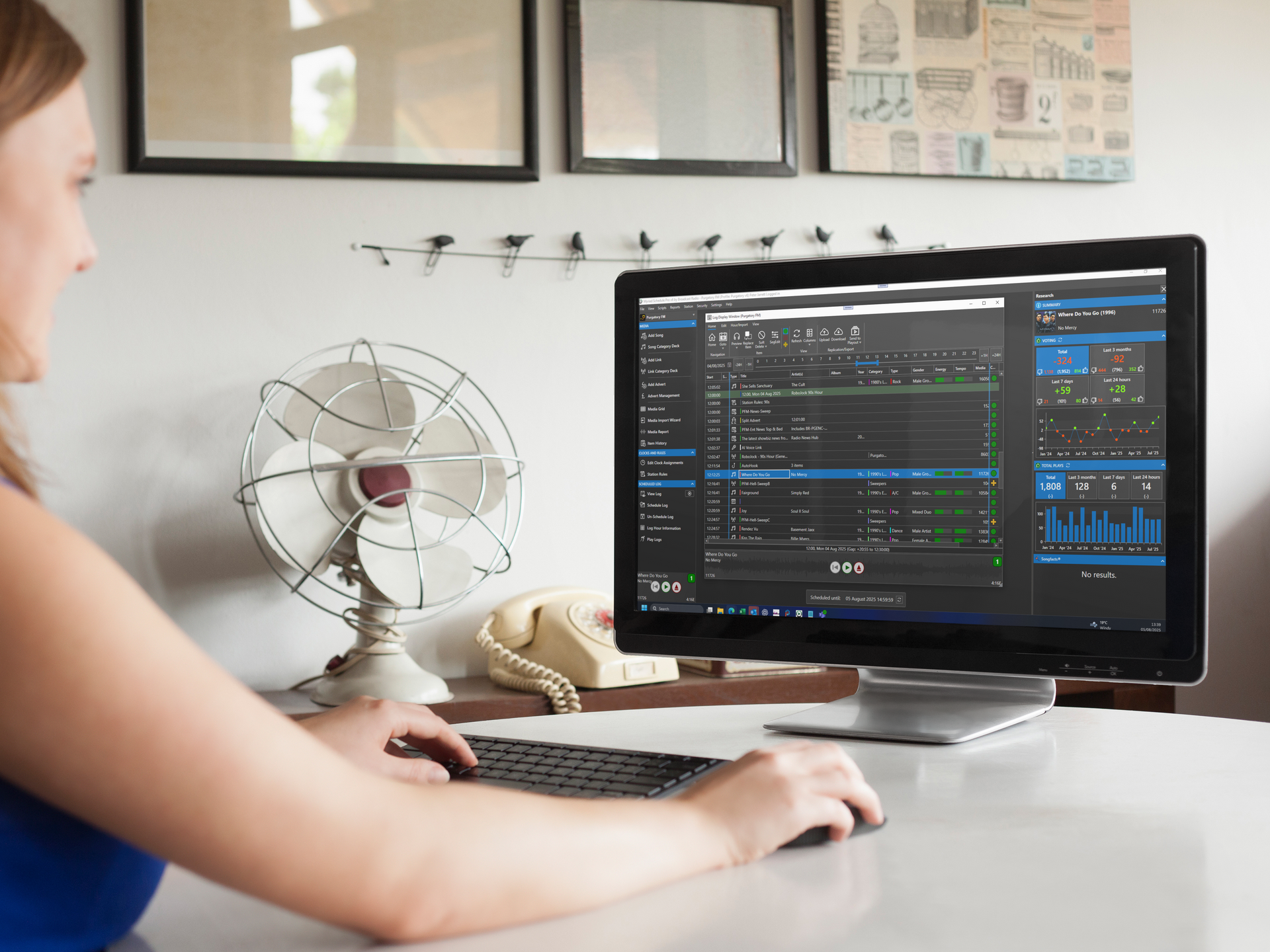
Here's the real transformation in radio station equipment: the intelligence of your operation no longer needs to live in a rack in your building.
Traditional radio automation software required dedicated hardware, regular maintenance windows, and significant IT overhead. Updates meant downtime. Expansion meant new servers. Redundancy meant duplicate costs.
Cloud-native radio software flips this model entirely.
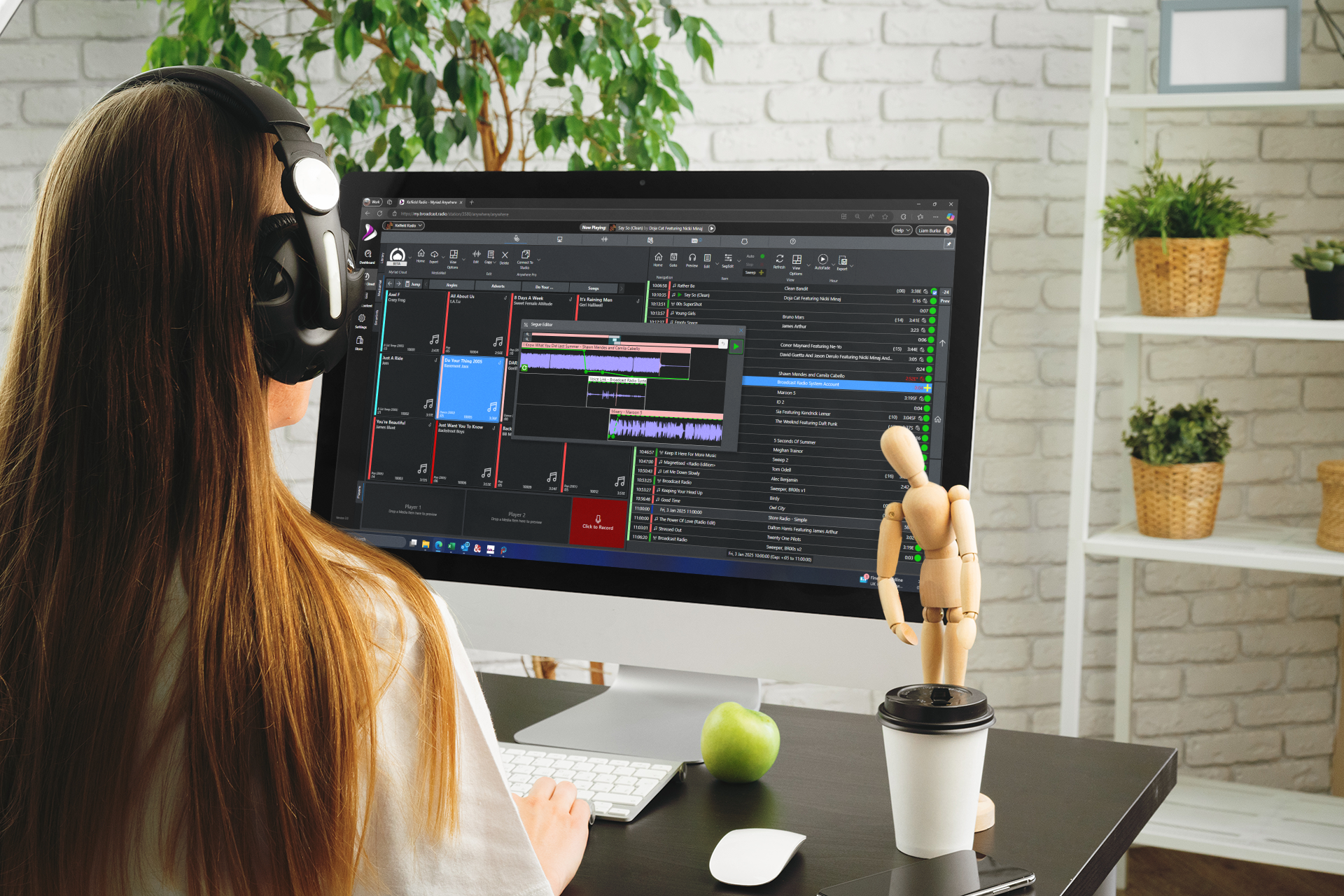
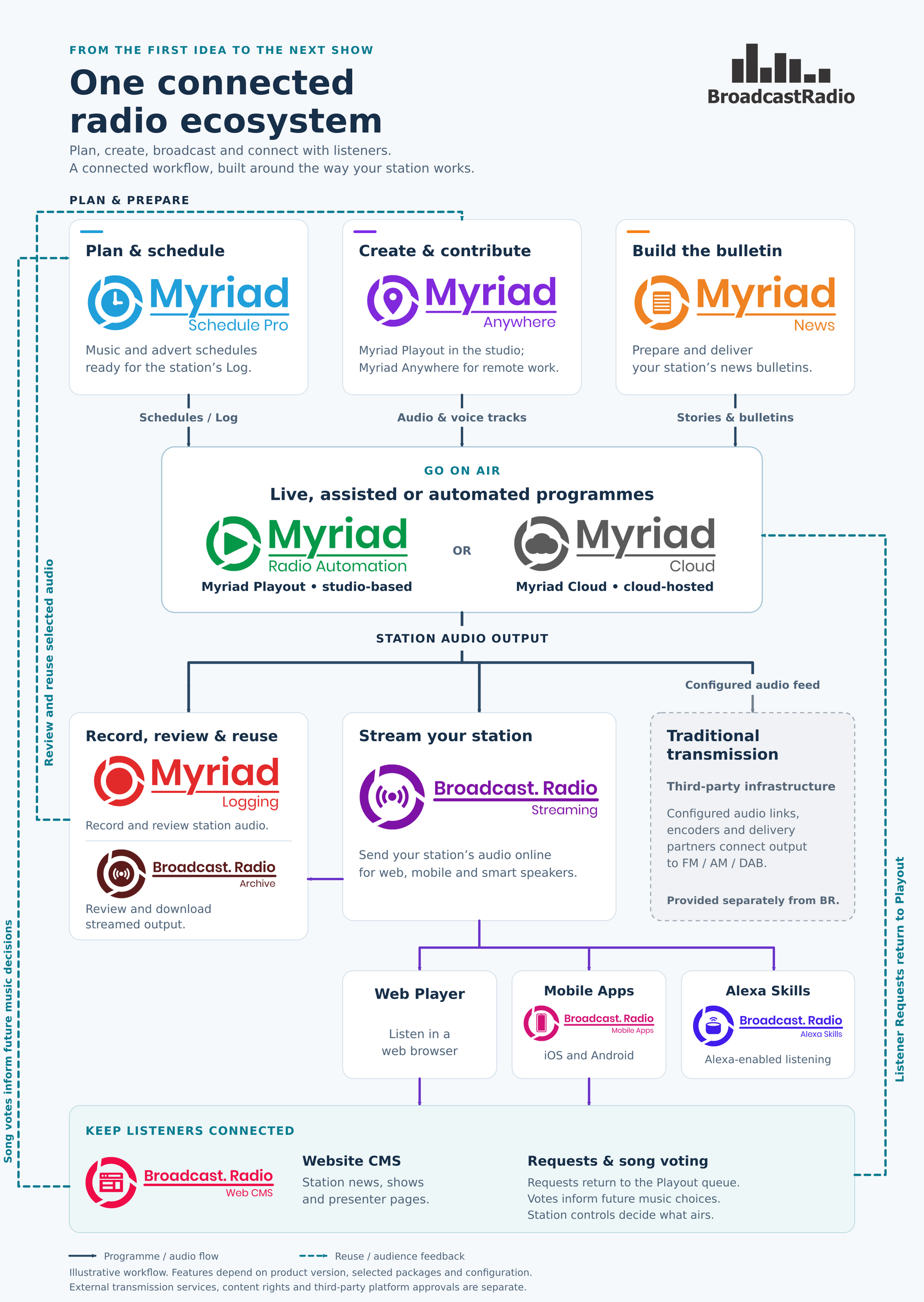
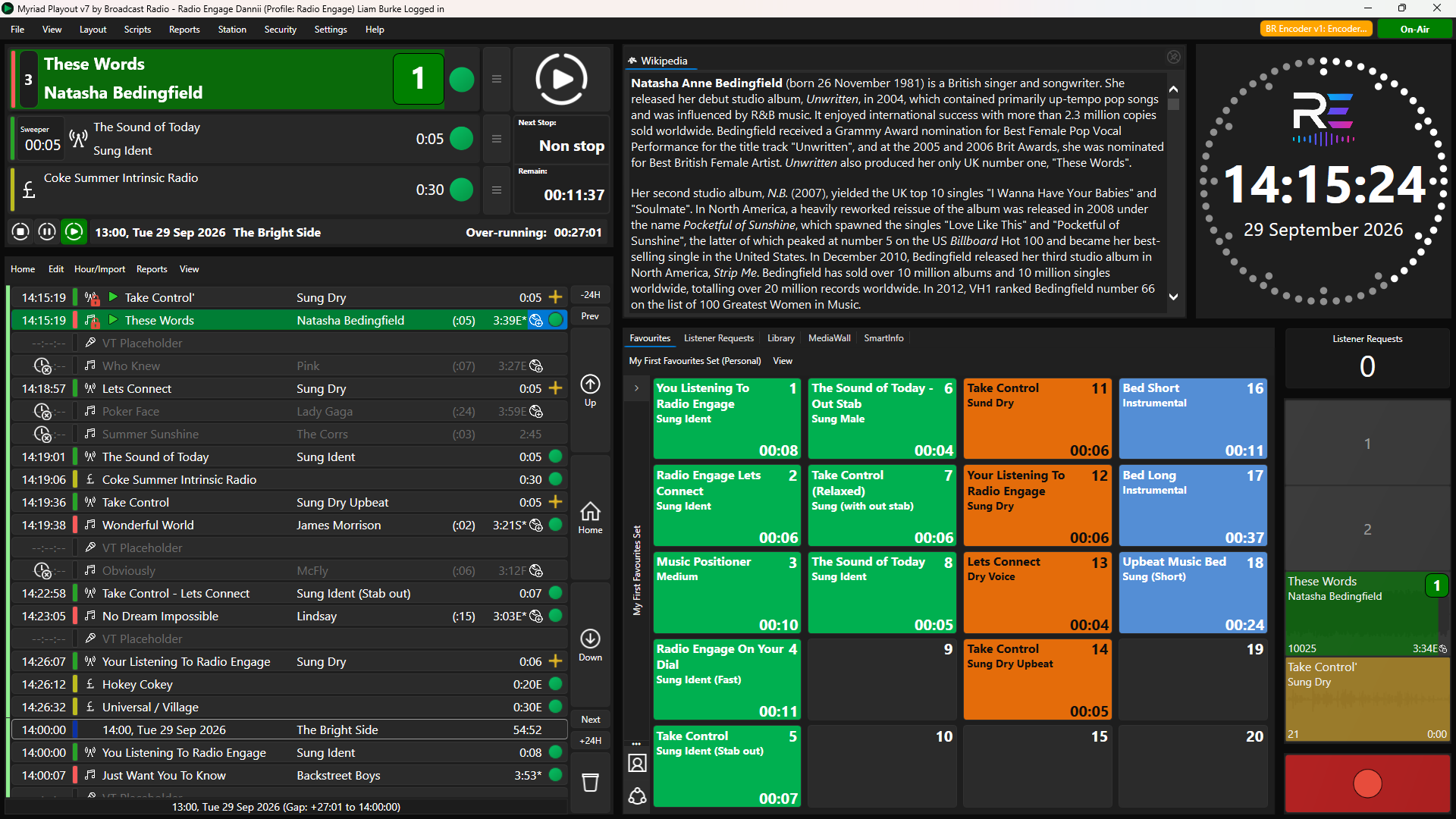
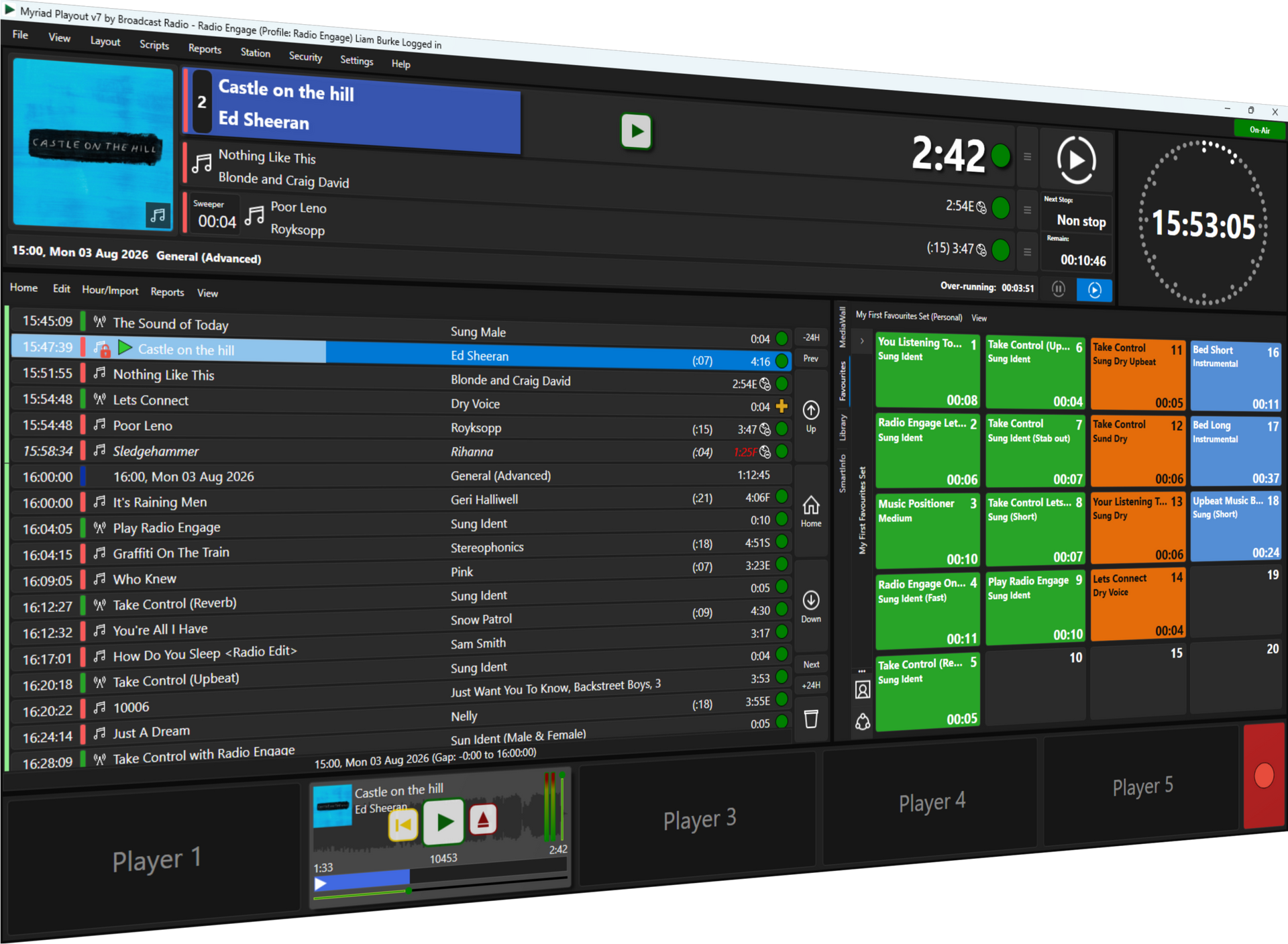
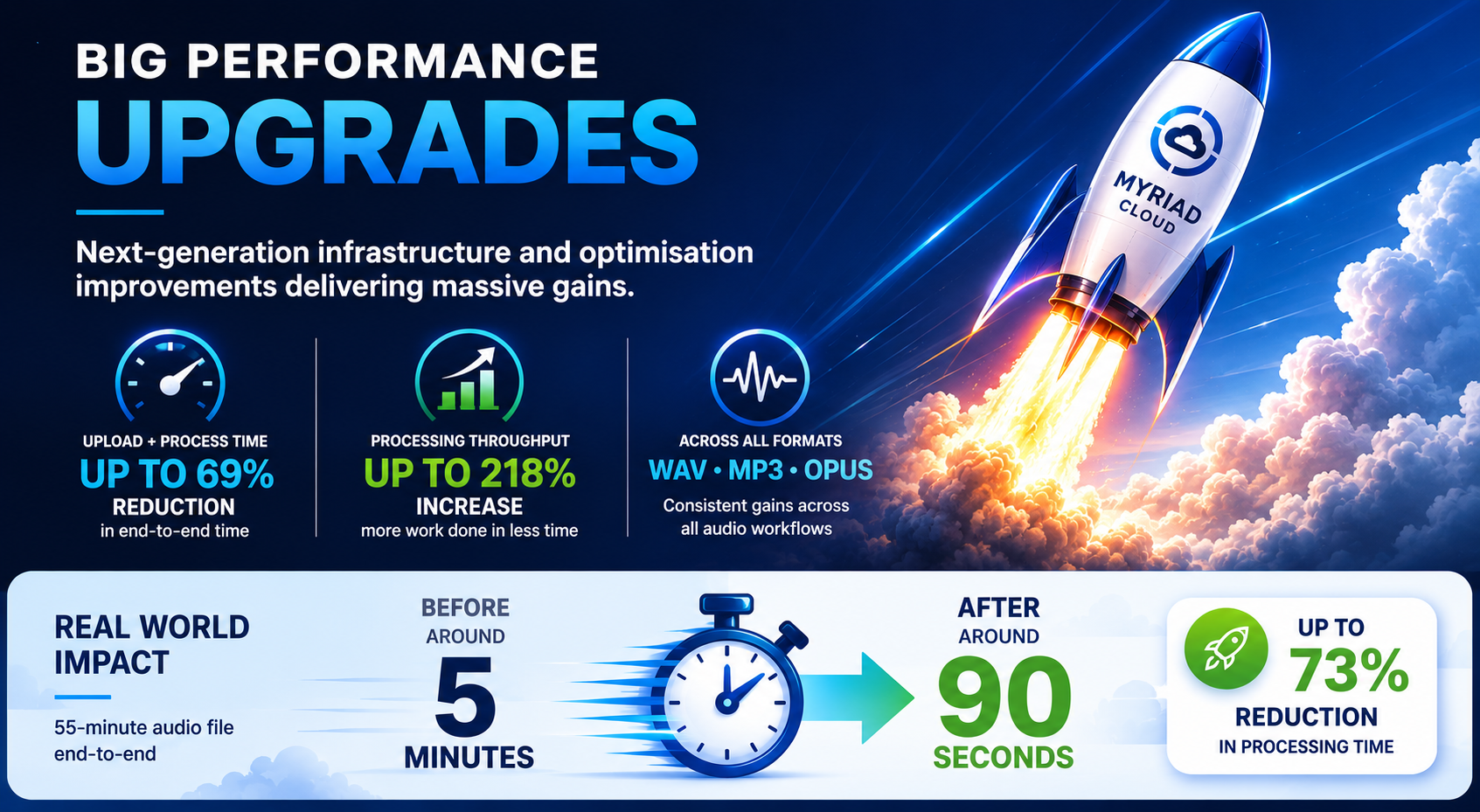
With platforms like Myriad Cloud, the core functions of your station: playout, scheduling, automation, logging: run in secure data centres rather than your studio cupboard. This isn't just about convenience. It fundamentally changes what's possible:
- Broadcast from anywhere. Your presenters can go live from a home studio, a remote location, or a traditional radio studio. The system doesn't care where they are.
- Scale without hardware. Adding a new station or stream doesn't require purchasing and configuring new servers.
- Automatic updates. New features and security patches deploy without engineering visits or maintenance windows.
- Built-in redundancy. Enterprise-grade cloud infrastructure offers reliability levels that would cost a fortune to replicate on-premise.
- Reduced IT burden. Your team focuses on content and audience, not server maintenance.
This shift isn't theoretical. It's happening across the industry right now.
Industry Recognition: Myriad Cloud at NAB 2024
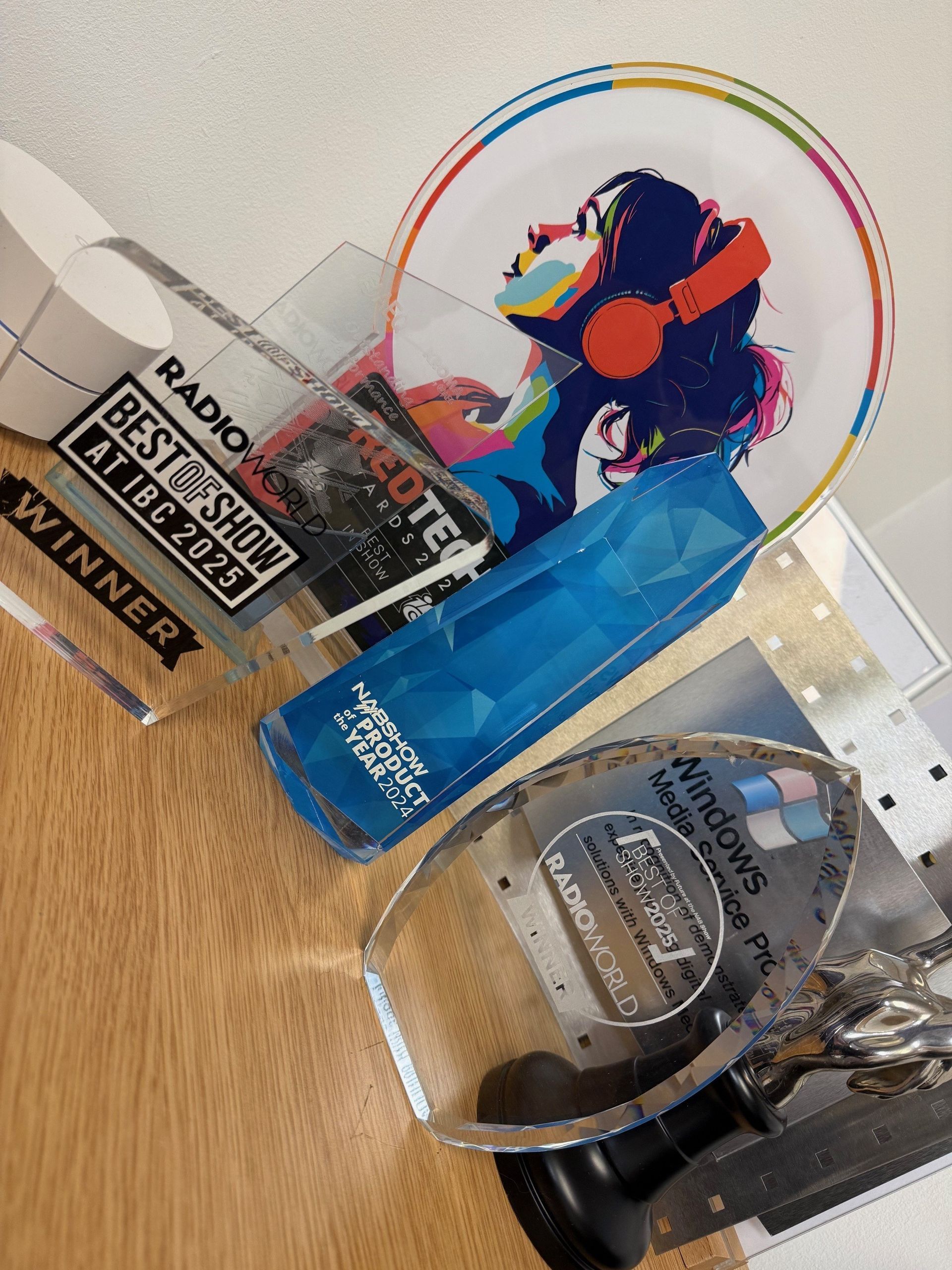
The broadcasting industry took notice of this evolution when Myriad Cloud won NAB Show Product of the Year 2024. This recognition from the National Association of Broadcasters: the industry's most prestigious trade body: validated what forward-thinking stations had already discovered.
Cloud-native radio broadcasting isn't a compromise. It's an advancement.
The judges recognised that Myriad Cloud delivers the reliability and feature depth that professional broadcasters demand, while eliminating the infrastructure headaches that have historically constrained smaller operations.
What This Means for Your Radio Studio in 2026
So, does radio broadcasting equipment really matter in 2026? Absolutely. But you should be investing your equipment budget very differently than you would have a decade ago.
Prioritise audio quality at the source. Invest in excellent microphones, proper acoustic treatment, and quality monitoring. These physical elements directly impact your sound.
Invest in connectivity. Reliable, redundant internet is your lifeline to cloud-based systems. Don't skimp here.
Rethink your automation strategy. If you're still running on-premise radio automation software with all its associated overheads, it's worth evaluating cloud alternatives. The total cost of ownership calculation has shifted dramatically.
Consider hybrid approaches. Solutions like Myriad 6 Anywhere bridge traditional studio setups with cloud flexibility, letting you transition at your own pace.
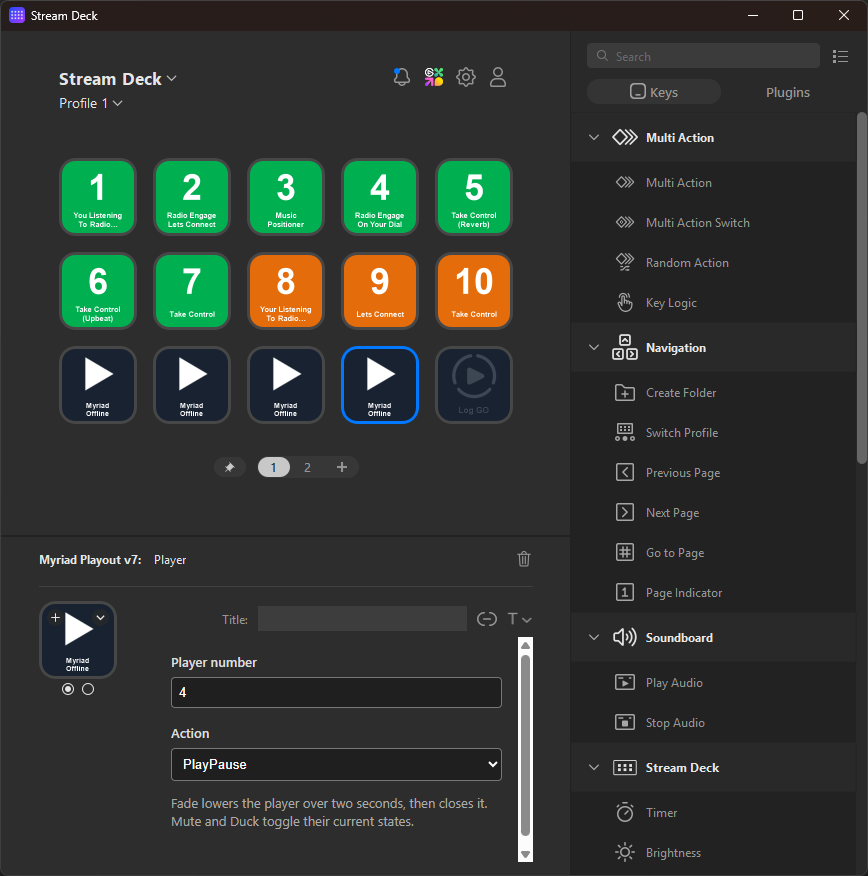
Don't forget the human interface. Quality broadcast mixers like the Forum Lite still matter. Your presenters need tactile, responsive controls. The cloud handles the intelligence; the mixer handles the moment-to-moment craft of live broadcasting.
The Broader Industry Picture
The transformation isn't happening in isolation. Several macro trends are accelerating the shift toward software-defined broadcasting:
Digital broadcasting transitions. Stations moving to DAB, DAB+, and HD Radio formats need modern, flexible systems that can adapt to evolving standards.
Government investment. Significant public funding: including the FCC's USD 42.45 billion BEAD Program and expanded Community Radio Fund allocations in the UK: is flowing into broadcasting infrastructure, with much of it directed toward modern, efficient solutions.
Audience fragmentation. With internet radio and podcasting growing rapidly, stations need systems that can easily publish to multiple platforms simultaneously. Cloud-native platforms handle this natively.
Remote and hybrid working. The expectation that broadcasting professionals can work flexibly is now permanent. Equipment strategies must accommodate this reality.
Making the Right Equipment Decisions
The question isn't whether radio broadcasting equipment matters. It's which equipment deserves your investment.
In 2026, the smart money goes toward:
- Exceptional audio capture: microphones, acoustics, monitoring
- Robust connectivity: redundant internet, quality networking hardware
- Flexible automation: cloud-native radio software that grows with you
- Intuitive control surfaces: broadcast mixers that feel right under your presenters' hands
The racks of servers, the complex on-premise infrastructure, the 3am emergency callouts? Those are increasingly optional.
Your radio studio still needs equipment. It just needs different equipment: and considerably less of it.
Where to Start
If you're evaluating your radio station equipment strategy, begin with an honest assessment of where your current setup creates friction. Is it maintenance overhead? Lack of remote capability? Scaling limitations?
Explore Myriad Cloud to see how cloud-native radio automation software addresses these challenges. For stations wanting to maintain existing studio infrastructure while adding flexibility, Myriad 6 Anywhere offers a compelling hybrid path.
Radio broadcasting equipment absolutely matters in 2026. The industry's continued growth proves that. But the equipment that matters most might not be what you expect: and it almost certainly takes up less space than it used to.